|
Quietly celebrating 10 years
Don't wait until next year to get in this struggle in Philadelphia.
Don't wait until tomorrow morning to get in this struggle in Philadelphia.
Don't wait until an hour from now to get in this struggle in Philadelphia.
Get in this conversation now...
Just a tiny little minute, just sixty seconds in it, but eternity is in it.
- Martin Luther King, Jr., 40th and Lancaster Ave, Philadelphia, 1965
October 18, 2012
Dear friends and colleagues,
As we quietly celebrate our tenth anniversary today, a major milestone in the history of a volunteer organization such as Slought, we find an opportunity to reflect on what we have built and what we can aspire to build in the years ahead.
These last ten years have seen us through moments of hardship and opportunity, each of which has found its distinctive public form in the many cultural projects we have produced in Philadelphia, around the world and in the cloud. Yet it is the personal relationships that these projects have and have not enabled that particularly interests us at this time and going forward.
How can Slought's activities continue to negotiate the profound breakdown in trust between publics and institutions that is a hallmark of our time? Our attentiveness to the importance of building social trust follows from the realization that cultural organizations have often exacerbated rather than mitigated this crisis. At their best, cultural organizations can function as mediating agencies with the potential to imaginatively bridge and build interfaces across divided constituencies in order to negotiate the many borders, divisions, and inequalities that define our society. It is imperative that the greater cultural sector, and not just the small organization, urgently take up this challenge.
As we move forward, we find it essential to also study the ways in which Slought and its many communities have managed to survive over these past ten years, despite the socio-political tenor of many of our cultural projects and a severe lack of access to capital. We have drawn insight from the variety of economies that have been employed in our communities, ranging from the formal to the informal; the importance of conversation and consensus as methodologies of engagement; and the strength of partnerships and collaborations across cultural, intellectual, and advocacy-based communities. It is essential that we build and position our organizations in a way that learns from and responds to these strategies -- particularly at Slought given our longstanding commitment to rethink the role and responsibilities of cultural institutions today.
Such questions and considerations, and the realization that the complexity and scale of Slought's many initiatives have prompted the need for better legibility and communication, have guided us in developing a new organizational identity and website over the last several months. Our hope is that this new website, and not just our projects, will enable relationships and social trust by bridging diverse communities and enabling knowledge exchange more generally. With major support from The Andy Warhol Foundation, we have undertaken a series of intensive workshops and research involving Slought staff, advisors, and publics. Based on our findings, we will be radically transforming the direction and identity of the organization in the coming months in many forms, from the abstract to the concrete.
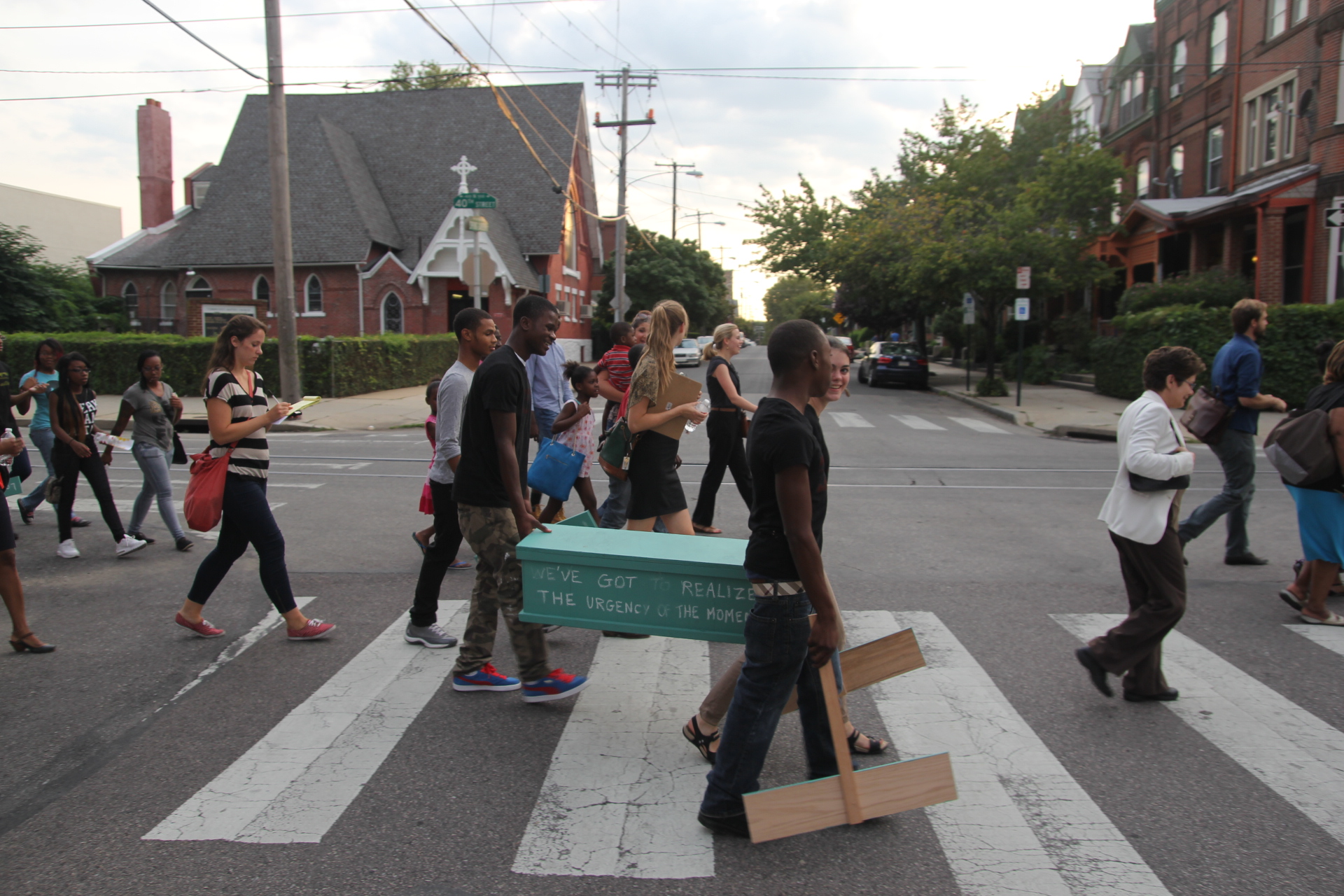
Mixplace Studio, one of our new initiatives at Slought, is emblematic of what lies ahead. It is a new urban education model that is being jointly developed by youth researchers from West Philadelphia, students and faculty from PennDesign, facilitators from People's Emergency Center (PEC) and Slought, other community voices and leaders, and architect Teddy Cruz at the Center for Urban Ecologies. At the first steering committee meeting, Dwaine Ross, a 17-year-old researcher, voiced his concern that we often talk about what we want to talk about, rather than what we need to talk about, and that what is desperately needed right now are resources outside of school for talking about the pressures of this world and how to overcome them.
Through six common goals, and an environment of peace, love and respect, we have constructed a safe space at Slought with the youth researchers in the form of a neighborhood lab. We use this lab each week to build new relationships and undertake projects which advocate for public education, political representation, and neighborhood empowerment. More generally, we aspire to mix individuals and institutions within West Philadelphia by circulating different ways of thinking and making, linking the knowledge of communities with the knowledge of institutions. We look forward in the months ahead to the launch of these projects and to welcoming you into the mix --
Warmly,
Aaron Levy
Executive Director
|
|
Slought Foundation ('Sl-aw-t') is a non-profit organization based in Philadelphia that engages the public in dialogue about cultural and socio-political change. We collaborate with a range of partners including artists, communities, universities, and governments to encourage cultural inclusiveness and social activism. Culture means more than preservation or presentation to us; it means the exchange of ideas, the creation of concepts.
From Kwame Anthony Appiah to Helene Cixous, Werner Herzog to Kazuyo Sejima, our programs feature today's visionaries in conversation about the role of the artist in society, and the potential transformation of social and political structures. In 2010, 450+ hours of recordings from these programs, available online, were downloaded over 125,000 times by visitors from 100 countries. Browse the archives, or view select programs.
View our calendar of public programs, sign up for the newsletter, or listen to an introduction about the organization by Aaron Levy:
Alternative content

|
|
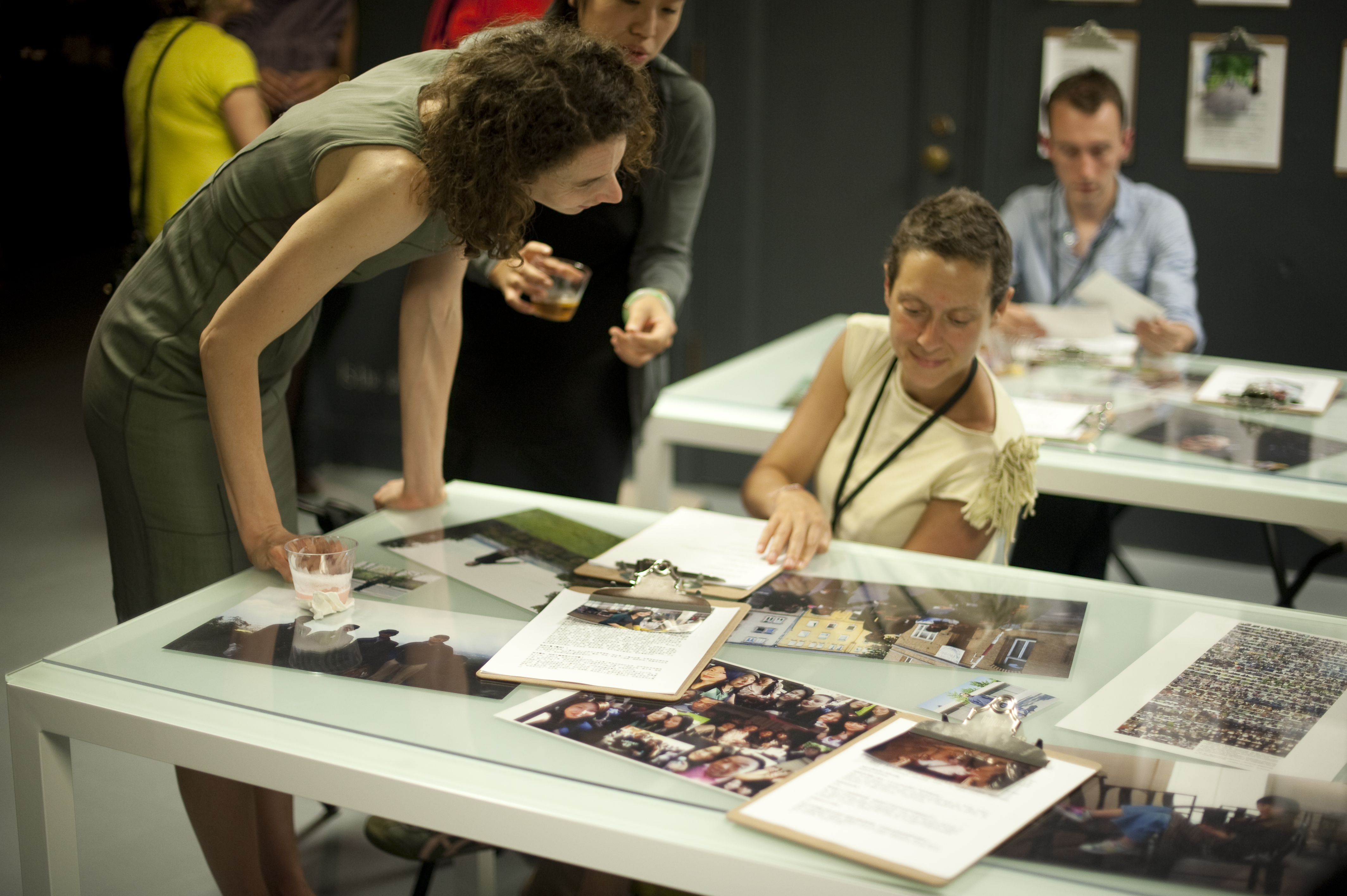
Current research initiatives include Fairytale Project,
revisiting artist 's 2007 project with 1001 Chinese people
|
|
|
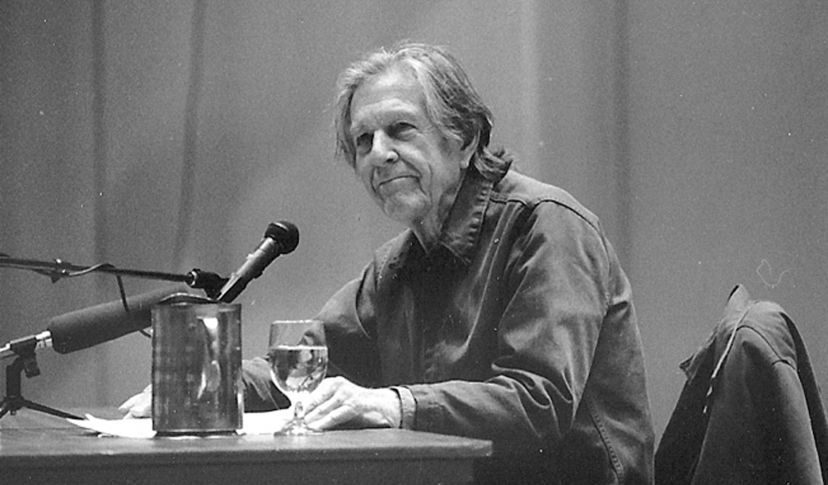
Public programs include How to Get Started, an interactive installation with the John Cage Trust
|
|
|
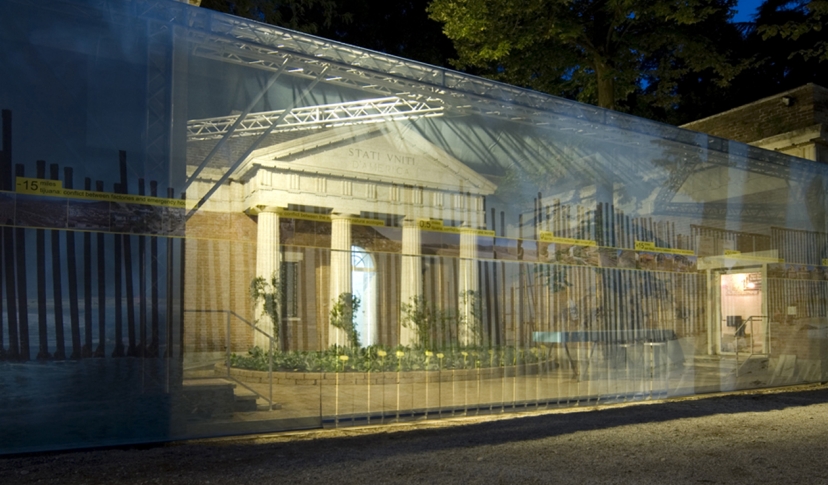
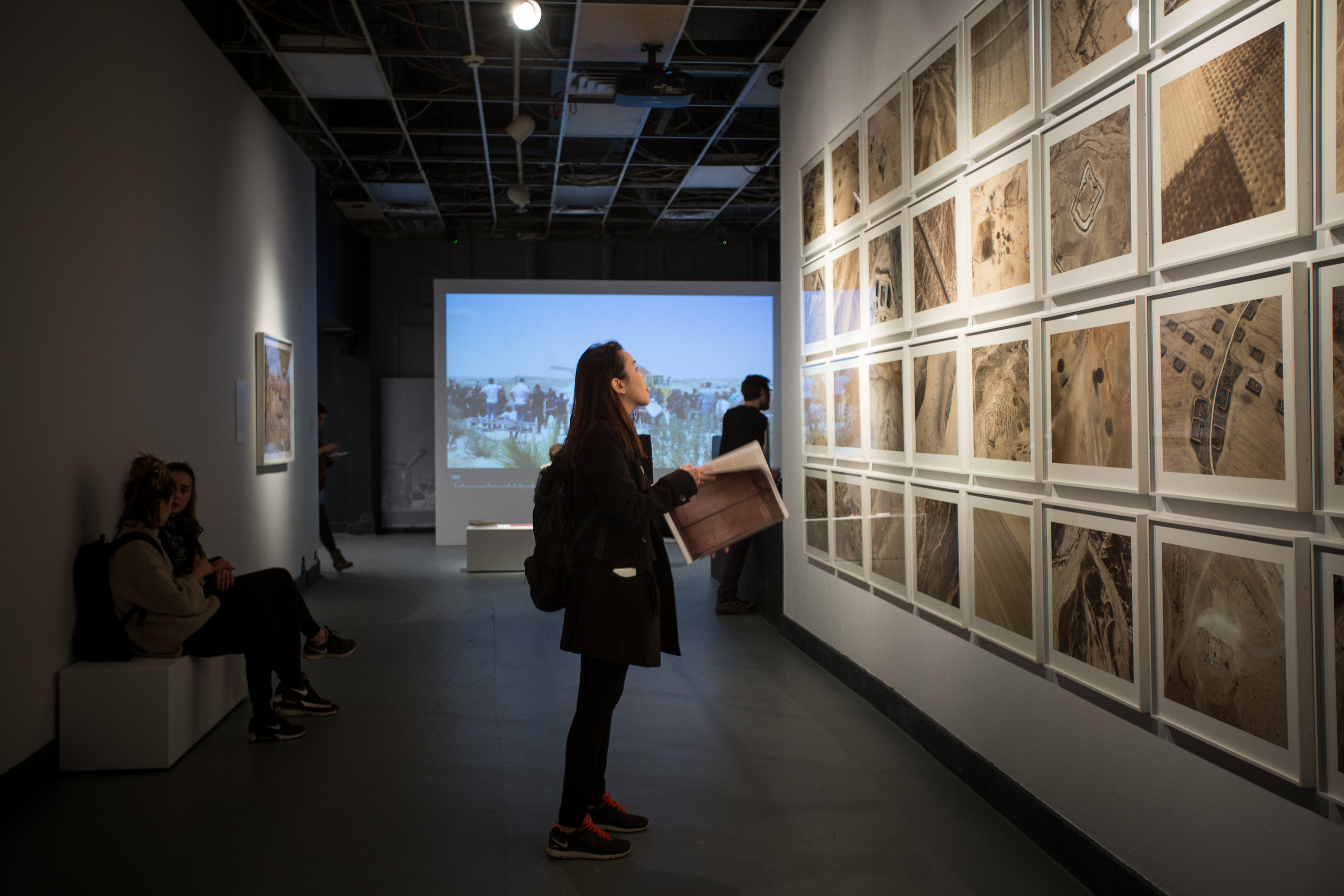
And Into the Open for the US Pavilion at La Biennale di Venezia, exploring how architects can invigorate community activism and social policy
|
|